
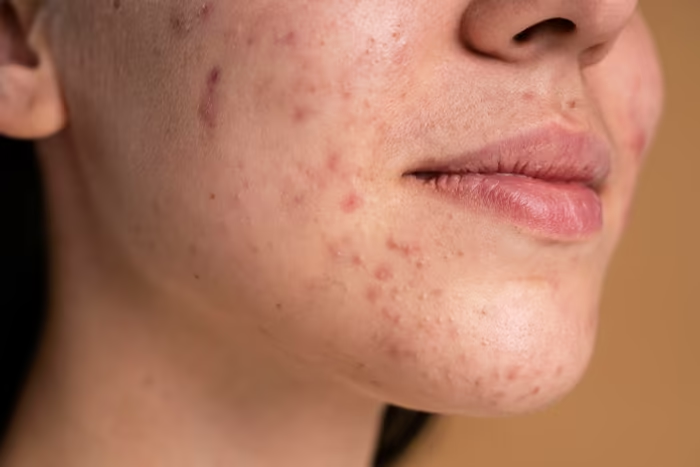
Past Adolescence: Why Am I Still Breaking Out?
Acne is not exclusive to teenagers; it can manifest at any stage of life. Even in adulthood, factors such as hormonal fluctuations, genetic predisposition, bacterial colonization, and cutaneous irritation from skincare or hair care products can trigger or exacerbate acne flares.
In women, hormonal shifts associated with the menstrual cycle, pregnancy, lactation, initiating or discontinuing hormonal contraceptives, perimenopause, and menopause are frequently correlated with adult-onset acne.
Why Does My Skin Break Out?
Four primary pathophysiological factors drive acne development: excess sebum production, follicular occlusion by sebum and desquamated epithelial cells, bacterial proliferation, and local inflammation. Consequently, acne lesions predominantly appear in anatomical areas with high sebaceous gland density—namely the face, forehead, chest, upper back, and shoulders.
Blackheads Are Not Trapped Dirt!
Blackheads (open comedones) develop when occluded pores remain open at the skin surface. Their dark appearance results from the oxidation of follicular debris upon atmospheric exposure, rather than poor hygiene or dirt accumulation. In contrast, whiteheads (closed comedones) are sealed follicular orifices presenting as small subcutaneous bumps.
Aggressive cleansing does not clear blackheads and can further compromise the cutaneous barrier, exacerbating irritation.
It’s Tempting, but Do Not Squeeze or Pick Blemishes
Squeezing or mechanically manipulating acne lesions increases the likelihood of scar formation, secondary infection, and deeper inflammatory infiltration. Inflammatory lesions—such as papules, pustules, nodules, and cysts—carry a markedly higher propensity for permanent scarring compared to non-inflammatory comedones.
To minimize post-acne marks and residual tissue damage, abstaining from manual manipulation is essential.
Have Oily Skin? Over-Washing Can Still Backfire
Acne does not stem from unhygienic skin. Abrasive scrubbing, excessive washing, or using inappropriate chemical formulations can impair the skin barrier and aggravate inflammatory acne.
Clinical guidelines recommend using a gentle cleanser and avoiding mechanical friction. Furthermore, non-comedogenic moisturizers and broad-spectrum sunscreens are preferred for acne-prone skin, as they are formulated not to occlude follicular pores.
Do Breakouts Worsen During High-Stress Periods?
Stress is not an isolated primary cause of acne; however, it can significantly exacerbate pre-existing disease.
Physiologically, neuroendocrine responses to stress correlate with elevated cortisol and stimulated sebaceous activity. Sleep deprivation, systemic illness, dehydration, and exposure to environmental stressors can further aggravate the condition.
Your Skin and Hair Care Products May Be Contributing to Breakouts
Certain occlusive or highly comedogenic cosmetic and hair care products can induce acne flares (acne cosmetica). Potential culprits include heavy cosmetics, rich emollient creams, and pomades or styling agents.
For acne-prone skin, dermatologists advise selecting water-based or non-comedogenic formulations.
The Blemish Resolved, but the Spot Remained: Take Sun Protection Seriously
Following the resolution of active acne lesions, residual dyspigmentation may persist, manifesting as areas darker (post-inflammatory hyperpigmentation) or lighter than the surrounding skin. Both atrophic (depressed) and hypertrophic (raised) scars can also develop.
In many individuals, ultraviolet (UV) radiation intensifies residual post-inflammatory hyperpigmentation. Additionally, numerous pharmacological acne therapies heighten cutaneous photosensitivity.
Are Chocolate and Greasy Foods to Blame for Your Breakouts?
Dietary consumption of chocolate or high-fat foods exhibits a minimal direct correlation with acne pathogenesis and cannot be designated as its primary etiology. However, clinical evidence suggests that diets high in glycemic load may aggravate acne in select individuals. Further clinical research is required to establish definitive dietary restrictions.
Do Not Expect Acne Treatments to Work Overnight
Management depends on clinical severity and lesion morphology. Therapeutic strategies encompass topical agents, systemic oral therapies, and procedural dermatologic interventions.
With most prescription acne medications, therapeutic response typically requires 4 to 8 weeks, while complete resolution may take several months or longer.
Prematurely switching products due to the absence of immediate results is counterproductive; treatment adherence and continuous follow-up are essential.
When Is Self-Care No Longer Sufficient?
If acne fails to respond to routine over-the-counter (OTC) products and proper skincare within several weeks, professional evaluation is warranted. For persistent, nodulocystic, or severe inflammatory acne, consulting a dermatologist is critical.
Timely initiation of evidence-based medical therapy substantially lowers the risk of irreversible scarring and persistent tissue damage.
Don’t Forget This Before Your Dermatology Consultation
Prior to your appointment, compile a comprehensive list of all prescription and OTC medications, vitamins, and dietary supplements you currently use. Your physician may evaluate your pharmacological profile, cosmetic regimens, stress levels, menstrual regularity, and relevant lifestyle factors.
A Final Key Takeaway
Acne is not merely an aesthetic concern. For many individuals, it causes physical pain, persistent scarring, and dyspigmentation, while exerting a substantial psychosocial impact on self-esteem and emotional well-being. Diverse, evidence-based treatments are available to manage the condition, and early therapeutic intervention significantly minimizes the risk of long-term scarring.
References:
Mayoclinic.org
Healthline.com


No comment